

Caregiver Support
Care works best when the Caregiver is cared for too.
Benefits of Hiring Support
for the Caregiver
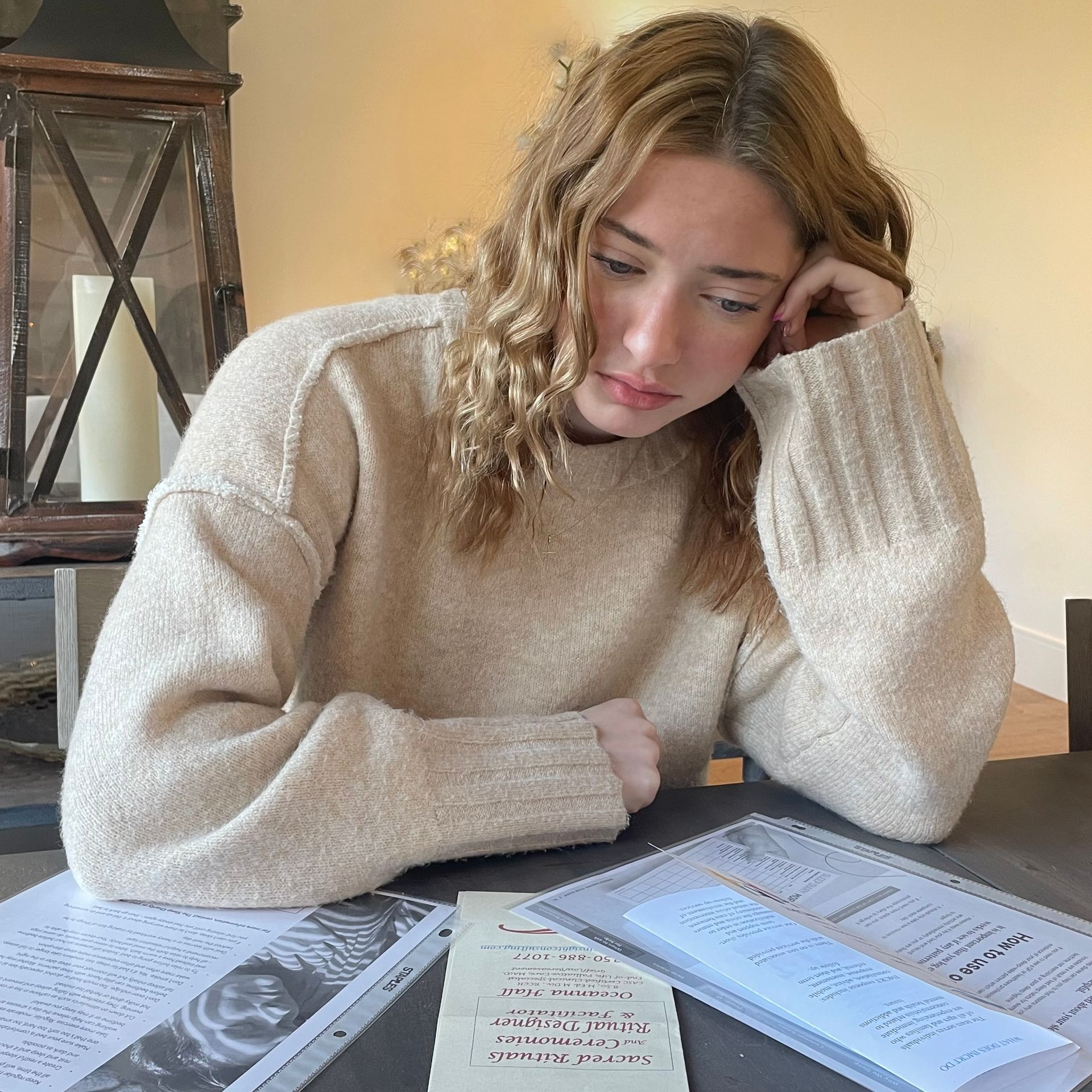
Reduce Mental Load
Caregiving often means carrying dozens of details at once. Support reduces cognitive overload by sharing responsibility and creating clear systems—so fewer things live only in your head.
Examples of Support
- Organizing paperwork, forms, and correspondence
- Tracking appointments, deadlines, and follow-ups
- Creating a single place for notes, contacts, and next steps

Prevent Burnout
Burnout builds gradually when caregivers are always on. Support creates space for rest and recovery before exhaustion takes hold.
Examples of Support
- Sharing or taking over recurring, draining tasks
- Creating protected time for rest or personal needs
- Providing steady backup

Protect Emotional Health
Caregivers are often expected to stay composed while carrying emotional weight. Support allows space to process feelings without pressure or urgency.
Examples of Support
- Calm presence during stressful moments
- Talking through decisions without judgment
- Reducing emotional load by handling logistics

Create Space To Think Clearly
When urgency eases, clarity returns. Support helps caregivers move from reactive decision-making to thoughtful planning.
Examples of Support
- Breaking complex decisions into manageable steps
- Researching options and summarizing information
- Helping prioritize what truly needs attention now

Improve Consistency of Care
Sustainable care depends on reliable systems, not last-minute scrambling. Support brings steadiness and follow-through.
Examples of Support
- Establishing repeatable routines
- Supporting grocery, appointment, or home systems
- Ensuring tasks are completed consistently

Model Healthy Boundaries
Accepting help is a healthy boundary, not a failure. Support reinforces limits that protect time, energy, and relationships.
Examples of Support
- Clarifying what caregivers can realistically take on
- Supporting clear, respectful family communication
- Reinforcing permission to say no when needed

Support the Caregiver's Health
Care includes the caregiver. Support ensures that physical well-being is not postponed indefinitely.
Examples of Support
- Making time for movement or walks
- Allowing space for self-care
- Reducing physical strain by sharing tasks

Create Mental Breathing Room
and Restore Calm
When everything feels urgent, it becomes harder to think clearly and move through the day with steadiness. Support helps ease the mental load by reducing pressure, creating a calmer rhythm, and offering reliable reassurance — so caregiving feels more grounded, manageable, and sustainable.
Examples of Support
- Taking urgent tasks off your plate by offering consistent, dependable help over time
- Reducing decision fatigue by helping you move out of crisis mode
- Bringing a calm presence during transitions to support a slower, steadier pace
— Grounded, personal care of those who care for others —